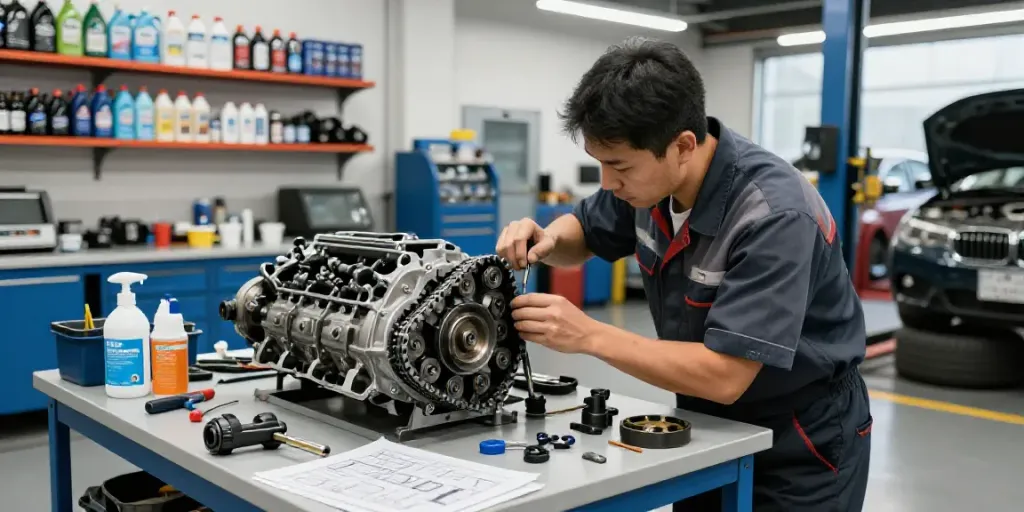
The Importance of Timing Chain Maintenance for BMWs
The timing chain is a critical component of your BMW's engine, playing an essential role in synchronizing the movement of the crankshaft and camshaft. Regular maintenance of the timing chain is vital to ensure optimal engine performance and longevity. In cities like Hannover, where BMWs are prevalent, understanding the intricacies of timing chain maintenance becomes crucial for owners looking to protect their investment. For detailed resources and services available, bmw steuerkette hannover offers expert insights and comprehensive solutions.
Understanding Timing Chains in BMW Models
BMW engineers design their engines with precision, and timing chains are no exception. Unlike timing belts, which need regular replacement, timing chains are typically designed to last the life of the engine. However, various factors can affect their longevity, such as oil quality, service intervals, and engine conditions. In many BMW models, including the popular series such as the X5 and 3 Series, the timing chain operates in a high-stress environment, making routine checks important for performance.
Signs of a Failing Timing Chain
A failing timing chain can result in significant engine damage if not addressed promptly. Owners should be vigilant for signs that may indicate a problem:
- Unusual Noises: A rattling sound from the engine can indicate a loose or worn chain.
- Engine Misfires: If the timing is off, it can cause the engine to misfire and run poorly.
- Check Engine Light: This light can be triggered by various engine issues, including problems with the timing chain.
- Oil Leaks: A failing timing chain tensioner may lead to oil leaks around the timing chain cover.
Consequences of Neglecting Maintenance
Neglecting timing chain maintenance can lead to catastrophic engine failure. If a timing chain breaks, it can result in piston and valve damage, which may require a complete engine rebuild or replacement. Moreover, the cost of such repairs can be exorbitant, far exceeding the costs associated with regular maintenance. Being proactive about timing chain care ensures that your BMW remains reliable and performs at its best.
Cost Factors for BMW Steuerkette Replacement in Hannover
Average Costs and Pricing Estimates for Services
The cost to replace a timing chain in a BMW can vary significantly, typically ranging from €1,000 to €3,000, depending on the model and the extent of the damage. Factors that influence these costs include labor rates in Hannover, the specific BMW model, and the complexity of the work required. Ensuring that you get a transparent estimate can save you from unexpected expenses.
Comparing Dealership vs. Independent Shops
In Hannover, BMW dealerships often charge premium prices for maintenance services, including timing chain replacements. However, independent shops may provide comparable services at a lower rate. It’s crucial to evaluate the reputation, warranties, and expertise of the mechanics at both dealerships and independent shops before making your decision.
Hidden Costs to Consider
When budgeting for a timing chain replacement, consider potential hidden costs, such as:
- Additional Repairs: If the timing chain has caused damage to other engine components, those repairs will add to your bill.
- Parts Warranty: Some shops offer limited warranties on parts used, which can influence overall costs if future issues arise.
- Diagnostic Fees: If a mechanic charges a diagnostic fee to identify timing chain issues, factor that into your budget.
Step-by-Step Guide to Timing Chain Replacement
Preparing Your BMW for Service
Before taking your BMW in for a timing chain replacement, gather all relevant documents, including maintenance history and service records. This information can help the mechanic understand your vehicle’s condition and ensure that any underlying issues are addressed.
Tools and Parts Required for the Job
A timing chain replacement typically requires specialized tools and specific parts, including:
- Timing Chain Kit: Contains the timing chain, tensioners, and guides.
- Basic Tools: Wrenches, torques, and sockets.
- Oil and Filter: Required for reassembly and to ensure the engine runs smoothly post-replacement.
Professional vs. DIY Replacement: What You Need to Know
While some owners may consider a DIY approach to replace the timing chain, it is essential to understand the risks involved. The complexity of BMW engines often requires specialized knowledge and tools that the average DIYer may not possess. Therefore, hiring a professional mechanic with expertise in BMWs can save you time and potential headaches.
Expert Tips for Ensuring Longevity of Your BMW's Timing Chain
Regular Maintenance Practices
To extend the life of your BMW's timing chain, adhere to a regular maintenance schedule including:
- Regular oil changes with high-quality oil.
- Routine inspections of the timing chain and associated components.
- Promptly addressing any engine noises or performance issues.
Choosing Quality Parts and Services
When replacing the timing chain, always opt for OEM (Original Equipment Manufacturer) parts. While they may come at a premium, they often ensure better compatibility and performance. Additionally, select a mechanic or service center with experience in BMW vehicles to guarantee quality workmanship.
Common Mistakes to Avoid During Upkeep
To maintain your BMW's timing chain effectively, avoid these common pitfalls:
- Ignoring Warning Signs: Never overlook unusual sounds or performance changes.
- Skipping Regular Maintenance: Adhere to service intervals to prevent serious issues.
- Using Incompatible Oils: Always use the type of oil specified in your owner's manual.
Future Trends in BMW Maintenance and Technology
Innovations in Automotive Repair Services
As automotive technology evolves, so do the methods and tools available for maintenance. Future trends indicate a movement toward more synthetic oils and advanced diagnostic tools that can predict failures before they occur, thereby minimizing repair costs and downtime.
Predictions for 2026 Maintenance Practices
By 2026, it's anticipated that maintenance practices will incorporate more automation and AI-driven diagnostics. This will allow for quicker identification of issues and more efficient repairs, enhancing overall vehicle reliability.
How Technology is Shaping Auto Repairs
Technology is not only transforming how repairs are conducted but also how customers engage with service providers. Mobile apps for service scheduling, remote diagnostics, and even virtual consultations will become standard practices in automotive care.
What Are the Common Signs That Indicate Need for Replacement?
Knowing the signs that indicate your timing chain needs replacing can save you from extensive damage. Key signs include:
- Rattling noise from the engine.
- Engine stalling or misfiring.
- Oil leaks around the timing chain area.
How Long Does It Typically Take to Change a BMW Timing Chain?
The time required for a timing chain replacement can vary, but most professionals estimate between 6 and 12 hours, depending on the model and specific repairs needed. It’s important to discuss this with your mechanic during the initial consultation.
What Should I Expect During a Timing Chain Inspection?
During an inspection, a qualified mechanic will check for signs of wear on the timing chain, assess the tensioners and guides, and ensure that the timing is properly calibrated. This comprehensive approach helps identify any potential issues before they escalate.
Are There Specific BMW Models Known for Timing Chain Issues?
Several BMW models, particularly those with the N47 and N20 engines, have been noted for timing chain issues. If you own one of these models, it’s advisable to monitor the condition of your timing chain closely.
How Can I Find Reliable Mechanics in Hannover?
Searching for reliable mechanics in Hannover can be streamlined by checking online reviews, asking for recommendations from fellow BMW owners, and considering certifications. Engaging with local automotive forums can also yield valuable insights.
What Are the Risks of Ignoring Timing Chain Issues?
Ignoring timing chain issues can lead to severe engine damage, resulting in costly repairs or even the need for a complete engine replacement. Timely action in addressing problems can save you significant expenses in the long run.