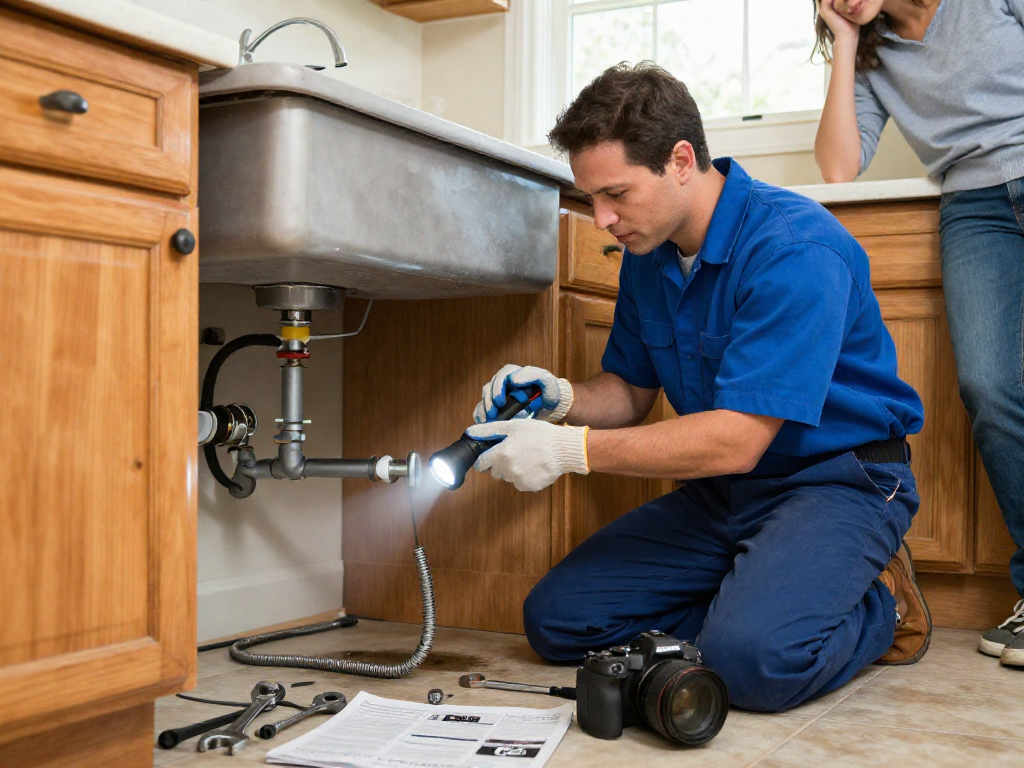
Understanding Leak Repair Services in Fort Worth
Homeowners in Fort Worth know that plumbing issues can arise unexpectedly, and one of the most frustrating problems is a leak. Whether it’s in the pipes, faucets, or toilets, timely leak repair is crucial to maintaining the integrity of your home’s plumbing system. If you suspect a leak, it's essential to seek professional help to avoid costly water damage. For comprehensive solutions in the area, consider leak repair Fort Worth services that cater to your specific needs effectively and efficiently.
What Constitutes a Plumbing Leak?
A plumbing leak is defined as the unintended release of water from pipes, fixtures, or appliances within the plumbing system. Leaks can emerge from various locations, including under sinks, behind walls, or even underground, and can vary in severity from minor drips to major bursts. Understanding the causes and consequences of leaks is essential for homeowners to manage their plumbing systems effectively.
Signs Your Home Needs Leak Repair
Identifying leaks early can save homeowners from extensive damage and costly repairs. Common signs that indicate the need for leak repair include:
- Unexplained increases in water bills
- Water stains on walls or ceilings
- Mold or mildew growth
- Pooling water around fixtures and appliances
- Sounds of running water when fixtures are not in use
If you notice any of these signs, it’s time to call a professional plumber for an inspection.
The Importance of Timely Leak Detection
Timely leak detection is vital for preventing more severe damage to your home. Small leaks can lead to significant structural issues, including foundation problems and mold growth, which can compromise your family's health. Engaging with plumbing experts ensures that leaks are identified promptly, and appropriate repair strategies are employed.
Common Types of Plumbing Leaks
Leak Locations: Pipes, Faucets, and Toilets
Leaks can occur in various locations within a home’s plumbing system. The most common areas include:
- Pipes: Corrosion, joint failure, and pressure changes can lead to leaks in water supply and drainage pipes.
- Faucets: Worn washers and seals typically cause faucet leaks, requiring timely repair to prevent wastage.
- Toilets: Phantom flushes or water pooling around a toilet base indicate leaks that need immediate attention.
Understanding Hidden Leaks: Detection Techniques
Hidden leaks often pose the most significant challenges, as they are not immediately visible. Techniques for detection include:
- Listening for sounds of running water
- Using moisture meters to detect dampness in walls and floors
- Conducting dye tests in toilets to check for leaks in the flapper or tank
Professional plumbers have specialized equipment, such as infrared cameras, to detect hidden leaks without invasive measures.
Consequences of Ignoring Plumbing Leaks
Ignoring plumbing leaks can lead to severe consequences, including:
- Increased water bills
- Structural damage to your home
- Mold and mildew growth, leading to health issues
- Potential plumbing system failure
Addressing leaks promptly is not just about avoiding cost; it's about ensuring the safety and health of your home.
Choosing the Right Leak Repair Service
Evaluating Local Plumbing Services in Fort Worth
When faced with plumbing issues, it’s essential to evaluate local services thoroughly. Look for companies with strong reputations, verified customer reviews, and accreditations. A reliable plumbing service should provide a warranty on their work and have a transparent pricing model.
What to Look for in a Dependable Contractor
Key factors to consider include:
- Licensing and insurance
- Experience in leak repairs
- Response time for emergencies
- Customer service and support
Choosing a contractor with these qualities can save homeowners from future headaches.
Questions to Ask Before Hiring a Plumber
Before hiring a plumber, consider asking the following questions:
- What is your experience with leak repairs?
- Can you provide references or reviews from past clients?
- What is your pricing structure, and do you offer free estimates?
- How quickly can you respond to a plumbing emergency?
These inquiries will help you assess the contractor’s qualifications and reliability.
Best Practices for Preventing Plumbing Leaks
Regular Maintenance Tips for Homeowners
Preventing plumbing leaks begins with regular maintenance. Homeowners should perform periodic inspections of their plumbing systems, including:
- Checking for leaks under sinks and around appliances
- Inspecting exposed pipes for signs of corrosion or wear
- Flushing water heaters annually to remove sediment buildup
Regular maintenance can significantly extend the life of your plumbing system and reduce the likelihood of leaks.
DIY Techniques for Leak Prevention
Homeowners can engage in DIY practices to help prevent leaks, such as:
- Insulating exposed pipes in cold weather to prevent freezing
- Installing leak detection alarms that alert homeowners to water issues
- Using pipe joint compound or Teflon tape for DIY plumbing repairs
While DIY methods can help, it is generally advisable to consult professionals for major repairs.
How Seasonal Changes Affect Plumbing Systems
Seasonal changes can greatly impact plumbing systems. Cold weather can lead to frozen pipes, while heavy rains may cause soil erosion around pipes. Homeowners should take precautions, such as disconnecting hoses in winter and ensuring proper drainage around the foundation during heavy rains, to prevent plumbing issues.
The Future of Plumbing and Leak Repair in 2026
Emerging Technologies in Plumbing Services
The plumbing industry is evolving with the introduction of smart technology, such as leak detection sensors that integrate with home automation systems. These advancements allow homeowners to monitor their plumbing systems in real time and receive alerts when issues arise.
Homeowner Trends in Plumbing Maintenance
In 2026, homeowners are becoming more proactive about plumbing maintenance. There’s a growing trend towards regular inspections and preventative services to minimize unexpected repairs and maintain plumbing efficiency. Homeowners are increasingly valuing transparency in pricing and service quality.
Preparing for Climate Impact on Plumbing Systems
As climate change continues to influence weather patterns, homeowners must adapt their plumbing systems to withstand extreme conditions. This includes investing in durable materials and fixtures, as well as understanding local risks associated with extreme weather events.
What are the most common causes of plumbing leaks?
The most prevalent causes of plumbing leaks include corrosion of pipes, poor installation, and wear and tear on fixtures. High water pressure can also lead to leaks, necessitating regular checks on your plumbing system.
How can I detect a leak in my home?
To detect a leak, monitor your water bill for sudden increases, check for water stains on ceilings or walls, and listen for dripping sounds. Using a moisture meter can also help identify hidden leaks.
When should I call a plumber for a leak?
If you notice signs of a leak, such as unexplained water damage or high bills, it’s wise to call a plumber immediately to diagnose and resolve the issue.
What is the average cost of leak repair services in Fort Worth?
The cost of leak repair services can vary widely based on the severity and location of the leak, ranging from $150 to $2,000 or more. It’s essential to obtain a detailed estimate before work begins.
Can I prevent plumbing leaks with regular maintenance?
Yes, regular maintenance, such as inspections and timely repairs, can significantly reduce the risk of leaks. Homeowners should develop a routine to check their plumbing systems.