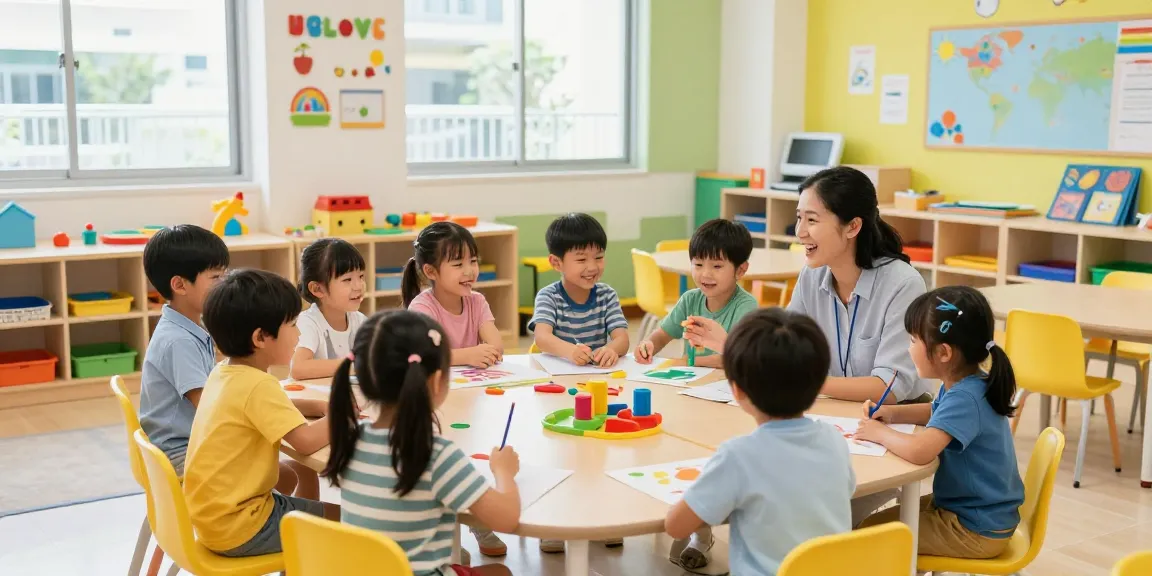
Understanding the Importance of Early Childhood Education
Early childhood education plays a pivotal role in shaping a child's future. Research shows that the first few years of life are critical for brain development, impacting cognitive, emotional, and social skills. Singapore, renowned for its commitment to quality education, emphasizes the significance of pre schools in Singapore that not only facilitate learning but also nurture holistic development. This article delves into the rationale behind investing in early education and how it serves as a foundation for lifelong learning.
Why Quality Matters in Pre Schools in Singapore?
In Singapore, the educational landscape is vibrant and competitive, with numerous preschools vying for attention. However, parents must prioritize quality over quantity when selecting a preschool. A well-structured curriculum, coupled with dedicated educators, can significantly influence a child's development. Quality preschools foster an environment where children can explore their interests, cultivate curiosity, and develop essential life skills.
Key Developmental Stages for Children Aged 3-6
The ages of three to six are critical in a child's growth, encompassing various developmental milestones. During this period, children undergo rapid cognitive growth, developing language skills, problem-solving abilities, and social interactions. It is essential that preschools in Singapore recognize these stages and tailor their programs to meet the diverse needs of children.
- Language Development: Encouraging verbal communication and comprehension.
- Cognitive Skills: Engaging in problem-solving activities to enhance critical thinking.
- Social Skills: Facilitating interactions among peers to build teamwork and empathy.
Parental Involvement and its Impact on Learning
Parental involvement is a cornerstone of effective early education. When parents engage in their child's learning journey, it fosters a supportive environment that encourages exploration and confidence. Regular communication between educators and parents further strengthens this partnership, ensuring that children's needs are met across all settings.
Exploring Inquiry-Based Learning Approaches
Inquiry-based learning is gaining traction as a preferred teaching method in early childhood education. This approach emphasizes children's natural curiosity, allowing them to ask questions and seek answers through exploration and discovery.
What is Inquiry-Based Learning?
Inquiry-based learning is an educational strategy that encourages students to learn by engaging with their environment and asking questions. Instead of traditional rote memorization, this approach promotes active participation and critical thinking. In Singapore, preschools that adopt this method are setting the stage for children to become independent thinkers.
Benefits of Inquiry Methods in Young Children
Implementing inquiry-based methods in preschools yields numerous benefits:
- Enhanced Engagement: Children are more invested in their learning when they can explore topics of interest.
- Development of Problem-Solving Skills: Inquiry fosters critical thinking and reasoning abilities.
- Promotion of Lifelong Learning: Instilling a love for learning early on encourages continuous exploration and curiosity.
Case Studies: Successful Pre Schools in Singapore
Several preschools in Singapore exemplify the success of inquiry-based learning. Institutions like Pegasus International Preschool have integrated this approach into their curriculum, allowing children to thrive through creative and interactive learning experiences. With a focus on exploration and hands-on activities, these preschools have established themselves as leaders in early childhood education.
Choosing the Right Pre School for Your Child
Selecting the ideal preschool for your child can be a daunting task for parents. With so many options available, it's crucial to consider various factors to make an informed decision that aligns with your child's needs.
Factors to Consider When Selecting a Pre School
When evaluating preschools, parents should consider the following:
- Curriculum: Ensure that it aligns with your educational philosophy and supports holistic development.
- Teacher Qualifications: Experienced educators can provide better guidance and support for young learners.
- Environment: A safe, nurturing, and stimulating environment is essential for effective learning.
Top Features to Look for in Pre Schools in Singapore
Key features that distinguish high-quality preschools include:
- Small Class Sizes: Lower teacher-to-student ratios allow for personalized attention.
- Diverse Curriculum: An integrated approach that includes arts, language, and physical development.
- Parental Involvement Opportunities: Programs that encourage parents to engage in school activities.
How to Assess Curriculum Quality?
To evaluate curriculum quality, parents should look for transparency in learning outcomes, structured assessments, and adaptability to individual learning paces. Effective preschools provide insight into how they measure progress and ensure that children meet developmental milestones.
Innovative Programs and Enrichment Activities
Innovative programs and enrichment activities are essential components of a comprehensive preschool education. These initiatives not only enhance learning experiences but also provide avenues for children to explore diverse interests.
Integrating Arts and Culture in Early Education
Artistic expression plays a significant role in early childhood education. Preschools that incorporate arts and culture help children develop creativity, critical thinking, and appreciation for diversity.
- Arts Integration: Activities such as music, dance, and visual arts stimulate imagination.
- Cultural Exploration: Exposure to different cultures fosters respect and appreciation for diversity.
Outdoor Learning: Benefits of Nature in Education
Outdoor learning environments provide children with hands-on experiences that foster exploration and discovery. Engaging with nature can enhance physical health, boost mental well-being, and promote environmental stewardship.
Language Acquisition: Early Bilingual Education
In today's globalized world, early bilingual education has become increasingly important. Preschools that offer multilingual programs help children acquire language skills that will benefit them throughout their educational journey.
Future Trends in Early Childhood Education
As we move toward 2026, the landscape of early childhood education is evolving rapidly. Parents must stay informed about emerging trends that could impact their children's education.
Emerging Technologies in Pre Schools
Technology integration in early education is becoming more prevalent. From interactive learning apps to virtual reality experiences, innovative tools are enhancing learning experiences and providing children with new ways to engage with content.
Shifts in Educational Philosophy for 2026 and Beyond
Educators are embracing more flexible curricula that prioritize student choice and inquiry over traditional content delivery methods. This shift allows children to learn at their own pace, fostering independence and self-directed learning.
Preparing for Lifelong Learning: The New Curriculum Focus
The focus of early childhood education is increasingly shifting towards preparing children for lifelong learning. By fostering curiosity, resilience, and adaptability, preschools are equipping learners with the skills they need for future challenges.
What are the Best Practices for Holistic Child Development?
Best practices for holistic child development encompass a balanced approach to education, emphasizing cognitive, emotional, social, and physical growth. High-quality preschools implement programs that cater to these diverse facets of development, ensuring children are well-prepared for their educational journeys ahead.