Overview of the Trek to Manaslu Circuit
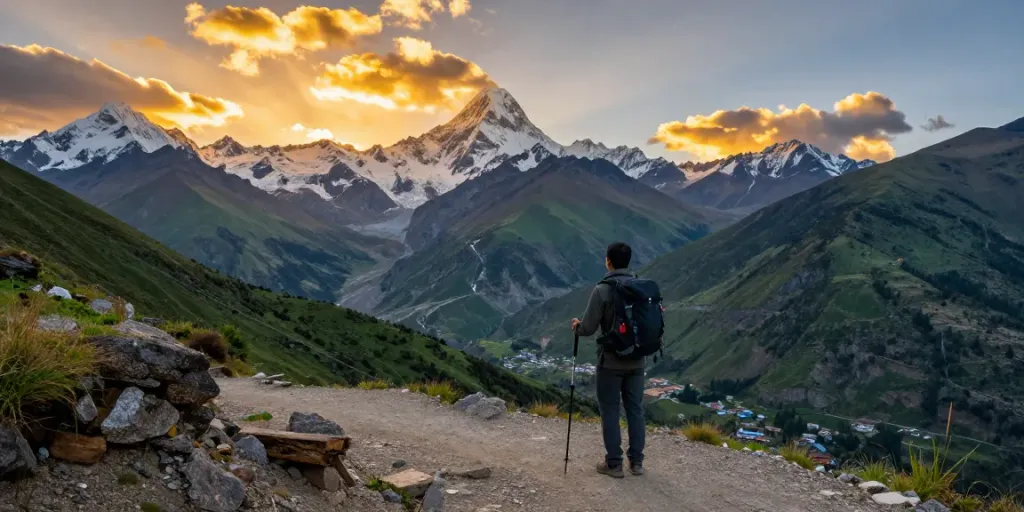
The Manaslu Circuit Trek is one of the premier trekking routes in Nepal, offering an immersive experience for those looking to explore the majestic Himalayas. Nestled in the Gorkha region, this trek takes adventurers around Mount Manaslu, the eighth-highest peak in the world, standing tall at 8,163 meters (26,781 feet). This 15-day journey is known for its stunning landscapes, rich cultural encounters, and the less crowded paths that provide a serene trekking experience compared to other popular routes like the Annapurna Circuit. If you are considering an adventure in 2026, this trek to Manaslu Circuit promises an unforgettable journey through remote villages, alpine forests, and high mountain passes.
What is the Manaslu Circuit Trek?
The Manaslu Circuit Trek is a challenging yet rewarding trek that allows trekkers to circle around the majestic Mount Manaslu. This trail offers a unique opportunity to experience the blend of natural beauty and cultural richness. The trek is categorized as a moderate to strenuous walk, making it suitable for adventurous trekkers who are in good physical condition. As the trek progresses, you will traverse various terrains—from terraced fields to lush forests, rocky paths to high-altitude environments—providing a diverse trekking experience.
Key Highlights and Scenic Views
One of the major highlights of the Manaslu Circuit Trek is the crossing of the Larkya La Pass (5,160 m / 16,929 ft), which offers breathtaking panoramic views of the surrounding mountains, including Himlung Himal, Kang Guru, and Annapurna II. Along the way, trekkers will encounter traditional Tibetan Buddhist villages like Samagaon and Samdo, visit ancient monasteries, and experience the warm hospitality of the local Gurung and Tibetan communities. The trek also passes through the Manaslu Conservation Area, rich in diverse flora and fauna, making it a paradise for nature lovers.
Importance of Permits and Conservation Areas
Since the Manaslu region is a restricted area, proper permits are required to trek through this beautiful landscape. The primary permits include the Manaslu Restricted Area Permit (MRAP), the Manaslu Conservation Area Permit (MCAP), the Annapurna Conservation Area Permit (ACAP), and a TIMS card. These permits help regulate tourism, protecting the delicate ecosystem while ensuring a sustainable trekking environment. It’s essential for trekkers to acquire these permits through a registered trekking agency, as self-guided treks are not permitted in these areas.
Preparing for Your Trek to Manaslu Circuit
Preparation is key to ensuring a successful and enjoyable trekking experience in the Himalayas. A well-planned trek includes selecting the right gear, training your body for the physical demands, and understanding the acclimatization process necessary for high-altitude trekking.
Essential Gear and Packing List
When embarking on the Manaslu Circuit Trek, packing the right gear can make all the difference. Essential items include:
- Clothing: Layered clothing for varying temperatures, including thermal tops, fleece jackets, and waterproof jackets.
- Footwear: Sturdy, waterproof trekking boots with good ankle support.
- Sleeping Gear: A high-quality sleeping bag rated for cold temperatures, ideally around -15°C (5°F).
- Hydration: A reusable water bottle and purification tablets or filters.
- First Aid Kit: This should include personal medications and a basic first aid kit that addresses common trekking injuries.
Additional gear such as trekking poles, binoculars for wildlife observation, and a headlamp will also enhance your trekking experience. When in doubt, consult with your trekking agency for a comprehensive packing list tailored to the Manaslu Circuit.
Physical Conditioning and Training Tips
Given the trek's challenging nature, it is crucial to physically prepare your body. A well-rounded fitness plan should include:
- Stamina Building: Engage in cardiovascular exercises like running, cycling, or swimming. Aim for at least 30 minutes of moderate to vigorous exercise, five times a week.
- Strength Training: Focus on exercises that enhance leg strength, core stability, and overall endurance, such as squats, lunges, and planks.
- Hiking Practice: Incorporate actual hikes into your training, gradually increasing the duration and difficulty to adapt to mountain conditions.
Prior to the trek, make sure to consult with a healthcare professional to assess your fitness level and adapt your training regime as necessary. This preparation will not only improve your physical condition but also boost your confidence as you approach the trek.
Acclimatization Strategies for High Altitude
Acclimatization is crucial to prevent altitude sickness while trekking in high altitudes. Here are some strategies to help:
- Gradual Ascent: Climb slowly, allowing your body time to adapt to lower oxygen levels.
- Acclimatization Days: Incorporate rest days into your itinerary, such as the acclimatization day at Samagaon, which allows time to adjust.
- Stay Hydrated: Drink plenty of fluids to stay hydrated, which can alleviate symptoms of altitude sickness.
- Monitor Your Health: Be aware of your body’s signals. Symptoms like headaches, nausea, or dizziness should not be ignored.
Itinerary Breakdown for the Manaslu Circuit Trek
The Manaslu Circuit Trek's itinerary is meticulously crafted to ensure a balance of trekking days, acclimatization, and cultural exploration. Below is a detailed day-by-day itinerary for 2026.
Detailed Day-by-Day Itinerary for 2026
- Day 1: Arrival in Kathmandu - Arrive at Tribhuvan International Airport and transfer to your hotel.
- Day 2: Drive to Machha Khola - A scenic drive lasting 8 to 10 hours will take you to the starting point of your trek.
- Day 3: Trek to Jagat - A 6 to 7-hour trek along the Budi Gandaki River will bring you to Jagat.
- Day 4: Trek to Deng - Continue trekking for 6 to 7 hours to reach Deng.
- Day 5: Trek to Namrung - This 7 to 8-hour trek leads to the village of Namrung.
- Day 6: Trek to Lho - A shorter 3 to 4-hour trek takes you to Lho.
- Day 7: Trek to Samagaon - Another 3 to 4-hour trek leads to Samagaon, where you will spend two nights for acclimatization.
- Day 8: Acclimatization Day - Hike to Birendra Lake and Manaslu Base Camp and return, taking around 7 to 8 hours.
- Day 9: Trek to Samdo - A short hike of 3 to 4 hours will take you to Samdo.
- Day 10: Trek to Dharmashala - Trek for 4 to 5 hours to reach Dharmashala, your resting point before tackling the pass.
- Day 11: Trek to Bimthang - Cross the challenging Larkya La Pass and descend to Bimthang, taking about 8 to 9 hours.
- Day 12: Trek to Goa - A more relaxed trek of 5 to 6 hours to Goa.
- Day 13: Trek to Dharapani - Complete the trek to Dharapani in 3 to 4 hours.
- Day 14: Drive to Kathmandu - A long drive back to Kathmandu, lasting 10 to 12 hours.
- Day 15: Departure - Transfer to the airport for your final departure.
Navigation and Map Essentials
Having a good map and the ability to navigate the terrain is essential for a successful trek. Many trekkers prefer to carry a physical map alongside a GPS device or trekking app. Maps provide insights into altitude changes, important landmarks, and nearby villages, while a GPS device can help you stay on track. Always ensure that your navigation tools are fully charged before starting each day's trek.
Tips for a Smooth Trekking Experience
To ensure a smooth trekking experience, consider the following tips:
- Stay Connected: Share your itinerary and plans with friends or family before departing.
- Pack Light: Avoid carrying unnecessary items to keep your backpack manageable.
- Engage with Locals: Take the time to interact with local communities to enhance your trekking experience.
- Keep an Open Mind: Be prepared for changes in weather and plans, and maintain a positive attitude throughout the journey.
Cultural and Local Engagement Along the Trek
The Manaslu Circuit Trek is not just about the breathtaking views; it’s also a doorway to the rich cultural tapestry of the region. As you trek, you will encounter diverse communities, each with its own unique traditions and way of life.
Interactions with Local Communities
Along the trail, you will pass through several traditional villages like Samagaon and Lho, where interactions with locals can provide valuable insights into their lifestyle. Staying in teahouses run by local families allows you to experience their hospitality and enjoy home-cooked meals.
Understanding the Tibetan Influence in the Region
The Manaslu region is influenced heavily by Tibetan culture, which is evident in the architecture of local monasteries, prayer flags, and rituals. You will have opportunities to visit monasteries, participate in local festivals if your trekking dates align, and learn about the Buddhist practices that shape the community.
Experiencing Local Cuisine and Customs
Food is a vital part of the culture; expect to enjoy traditional Nepali dishes like dal bhat (rice and lentil soup) and momos (dumplings). Many teahouses also offer vegetarian options, catering to a wide variety of dietary preferences. Engaging with the locals during meals helps deepen your understanding of their customs and traditions.
Frequently Asked Questions about the Trek to Manaslu Circuit
How difficult is the Manaslu Circuit Trek?
The Manaslu Circuit Trek is classified as moderately difficult. Trekkers should be prepared for long days on challenging terrain, including steep ascents and descents.
Can beginners attempt the Manaslu Circuit?
While some trekking experience is recommended, beginners can attempt the trek with proper preparation and fitness training. It’s essential to pace yourself and acclimatize properly.
What are the best months to trek?
The best months for trekking the Manaslu Circuit are typically in spring (March to May) and autumn (September to November), where weather conditions are generally stable and clear.
Do I need a guide for the Manaslu Circuit Trek?
Yes, a licensed guide is required due to the trek's classification as a restricted area. Many agencies, including Ace the Himalaya, offer expert guides who can enhance your trekking experience.
What should I expect in terms of costs?
Costs for the Manaslu Circuit Trek typically range from $1,500 to $2,500 depending on the trekking agency, package inclusions, and personal expenses. It is advisable to compare packages to find the best fit for your needs.