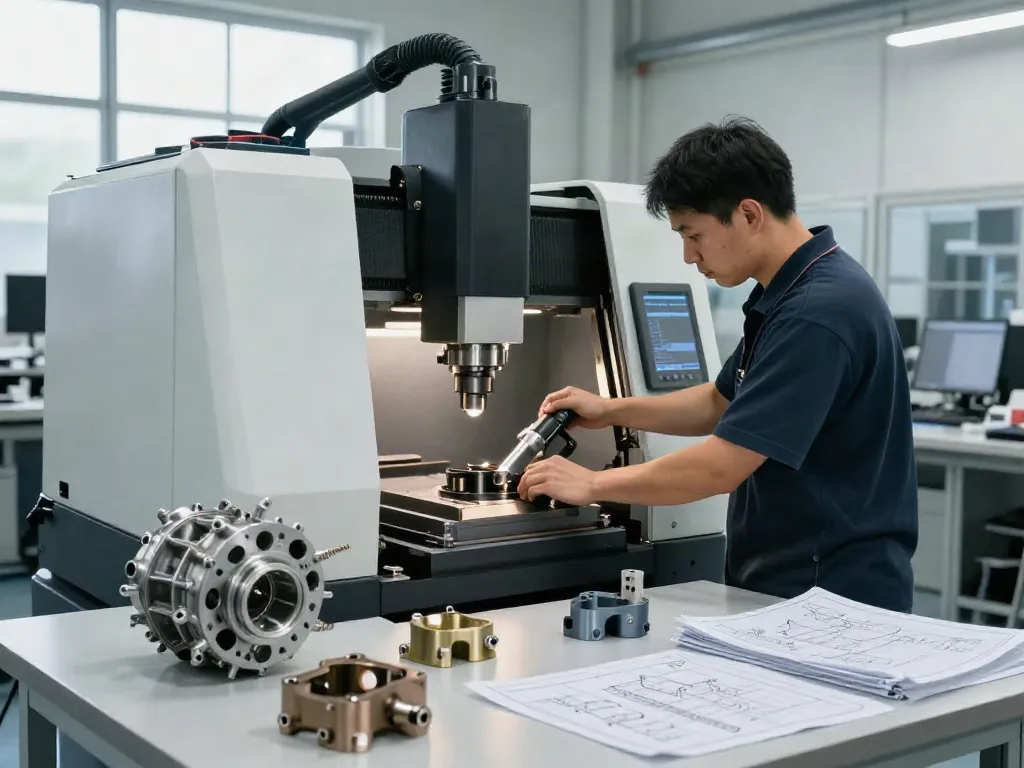
Understanding the Role of Leading Aerospace CNC Parts Manufacturers
The aerospace industry is characterized by its stringent safety and performance requirements, making precision engineering and manufacturing critical. Leading aerospace CNC parts manufacturers, such as Honscn, play an essential role in ensuring that aircraft and spacecraft components meet these exacting standards. Since 2003, Honscn has been committed to delivering professional CNC machining services that cater to both rapid prototyping and mass production needs. This article explores the nuances of aerospace CNC machining, the materials involved, and the essential processes that contribute to high-quality aerospace components.
What Sets Aerospace CNC Machining Apart?
Aerospace CNC machining differs from conventional machining due to the high precision and tolerances required. Components must be crafted to exact measurements, which can often be less than a millimeter. This precision is vital as even small defects can lead to catastrophic failures in flight. Manufacturers employ advanced techniques including 5-axis machining, which allows complex geometries to be machined efficiently while maintaining accuracy.
Key Benefits of Precision Parts in Aerospace
- Safety: High-quality parts reduce the risk of failure, ensuring the safety of passengers and cargo.
- Performance: Precision-engineered components enhance the overall performance of aerospace vehicles, improving fuel efficiency and speed.
- Cost-effectiveness: Although initial production costs may be higher, the increased durability and efficiency lead to long-term savings on maintenance and operational costs.
- Customization: CNC machining allows for rapid customization, enabling manufacturers to meet specific client specifications quickly.
Industry Standards and Certifications in Aerospace Manufacturing
Compliance with industry standards is non-negotiable in aerospace manufacturing. Certifications such as AS9100 and ISO 9001:2015 ensure that manufacturers adhere to rigorous quality management systems. These certifications are not merely formalities; they involve thorough audits and continuous monitoring of processes and products to maintain high standards. The significance of these certifications cannot be overstated, as they provide a framework for consistency and reliability in production.
Materials Commonly Used in Aerospace CNC Machining
The choice of materials in aerospace applications is critical to the performance and safety of the components. Leading aerospace CNC parts manufacturers often utilize a range of metals and plastics specifically designed for high-performance applications. Understanding these materials is key to selecting the right components for various aerospace applications. For instance, leading aerospace cnc parts manufacturers frequently work with materials such as titanium, aluminum, and various composites that provide strength while remaining lightweight.
Overview of Metal Materials for Aerospace Parts
Metals used in aerospace applications must exhibit strength, lightweight properties, and resistance to extreme temperatures. Common metals include:
- Titanium: Known for its high strength-to-weight ratio and corrosion resistance, titanium is often used in high-stress components like engine parts and airframes.
- Aluminum: Light and malleable, aluminum alloys are preferred for fuselage and wing structures due to their ability to withstand loads while minimizing weight.
- Stainless Steel: Used for parts that require high strength and corrosion resistance, such as landing gear components.
Popular Plastic Materials in Aerospace Manufacturing
In addition to metals, advanced plastics are increasingly utilized in aerospace manufacturing due to their lightweight nature and excellent performance characteristics. Notable examples include:
- Polycarbonate (PC): Known for its high impact resistance, making it ideal for cockpit windshields and safety barriers.
- Polyether Ether Ketone (PEEK): This high-performance thermoplastic is used in applications requiring high thermal stability and chemical resistance.
- Acrylonitrile Butadiene Styrene (ABS): Often used in interior components due to its toughness and ease of manufacturing.
How Material Choice Affects Performance and Cost
The selection of materials not only impacts the performance of aerospace components but also influences overall production costs. Premium materials like titanium, while offering superior performance, come with higher machining costs due to their hardness and the specialized tools required for processing. Therefore, manufacturers must balance performance requirements with budget constraints, often opting for hybrid solutions that utilize multiple materials to achieve the desired outcome.
The CNC Machining Process: From Prototyping to Production
The CNC machining process in aerospace manufacturing is a multi-step workflow that ensures precision and quality in every component. This workflow can be broken down into several stages, from initial design to final production, ensuring that all aspects of the manufacturing process are streamlined for efficiency and accuracy.
Steps in the CNC Machining Workflow
- Design: Engineers create detailed CAD models of components, taking into account the specific requirements for aerospace applications.
- Programming: Using CAM software, machinists convert CAD designs into machine-readable code that dictates the machining process.
- Machining: CNC machines carry out the machining process according to the programmed instructions, utilizing various cutting tools and techniques.
- Quality Control: Each component undergoes rigorous inspection to ensure it meets industry standards and client specifications.
- Finishing: Parts may undergo additional processes such as anodizing, plating, or painting to enhance durability and corrosion resistance.
Rapid Prototyping Techniques in Aerospace
Rapid prototyping is an essential aspect of aerospace CNC machining that allows manufacturers to create functional prototypes quickly. Techniques such as 3D printing and CNC milling enable quick testing and iteration of designs. This process not only speeds up development times but also allows for more cost-effective testing of components under real-world conditions.
Mass Production Capabilities and Efficiency
Once designs are validated, manufacturers can transition to mass production. Advancements in CNC technology have led to increased automation and efficiency, which reduces production times and lowers costs. The implementation of lean manufacturing principles further enhances efficiency by minimizing waste and optimizing workflow processes.
Challenges Faced by Aerospace CNC Manufacturers
While the aerospace industry benefits from advanced CNC machining technologies, manufacturers frequently encounter challenges that impact production and quality. Understanding these obstacles is crucial for any manufacturer seeking to thrive in this competitive field.
Common Obstacles in Precision Machining
One of the primary challenges in aerospace CNC machining is achieving the required level of precision consistently. Variations in material properties, equipment wear and tear, and human error can all contribute to deviations from specifications. Employing advanced CNC machinery with integrated error detection systems can help mitigate these issues.
Maintaining Quality Control Standards
Quality control is paramount in aerospace manufacturing. The process requires strict adherence to industry standards and regular audits to ensure compliance. Implementing a robust quality management system that includes statistical process control (SPC) can help manufacturers monitor production quality in real time and make necessary adjustments promptly.
Adapting to Technological Advancements
The rapid pace of technological innovation poses both challenges and opportunities for aerospace CNC manufacturers. Staying updated with the latest machining technologies and practices is essential for maintaining competitive advantages. Investing in employee training and new equipment can directly impact a company's capacity to innovate and expand its capabilities.
Future Trends in Aerospace CNC Machining for 2026
The landscape of aerospace CNC machining is continuously evolving, driven by technological advancements and market demands. Understanding these trends is key to leveraging opportunities for innovation and growth in this dynamic industry.
Emerging Technologies and Innovations
Several emerging technologies are set to transform aerospace CNC machining, including:
- Artificial Intelligence (AI): AI can optimize machining processes through predictive maintenance and process improvements, reducing downtime and enhancing productivity.
- Advanced Materials: Research into new alloys and composites is ongoing, with the goal of creating materials that offer superior performance without significant weight increases.
- Automation: The increased use of robotic systems in machining processes is likely to further enhance efficiency and precision.
Market Predictions and Demand for Aerospace Components
The demand for aerospace components is projected to grow steadily over the next few years, driven by increasing air travel and advancements in space exploration. As commercial airlines expand their fleets and more countries invest in military aviation, the need for reliable and high-performance components will continue to rise.
The Role of Sustainability in Aerospace Manufacturing
As global awareness of environmental issues increases, sustainability has become a critical focus for the aerospace industry. Manufacturers are exploring eco-friendly materials, energy-efficient manufacturing processes, and recycling initiatives to reduce their environmental footprint. Implementing sustainable practices not only helps the planet but can also enhance a company's reputation and marketability.
What are the top CNC manufacturers in aerospace?
Some of the leading manufacturers include Honscn, Ardel Engineering, and Owens Industries, all of which utilize state-of-the-art technologies to produce high-quality aerospace components.
What materials are best for aerospace CNC parts?
The best materials for aerospace CNC parts often include titanium for strength, aluminum for lightweight components, and advanced plastics for specialized applications.
How does rapid prototyping benefit aerospace projects?
Rapid prototyping allows for quicker testing and validation of designs, ultimately accelerating the development process and reducing costs associated with design changes.
What quality standards do aerospace manufacturers adhere to?
Aerospace manufacturers must adhere to various quality standards, including AS9100 and ISO 9001, which outline the requirements for quality management systems in the aerospace industry.
How is technology shaping the future of CNC machining?
Advancements in technology, such as automation, AI, and new materials, are reshaping CNC machining by enhancing efficiency, precision, and product quality in the aerospace sector.