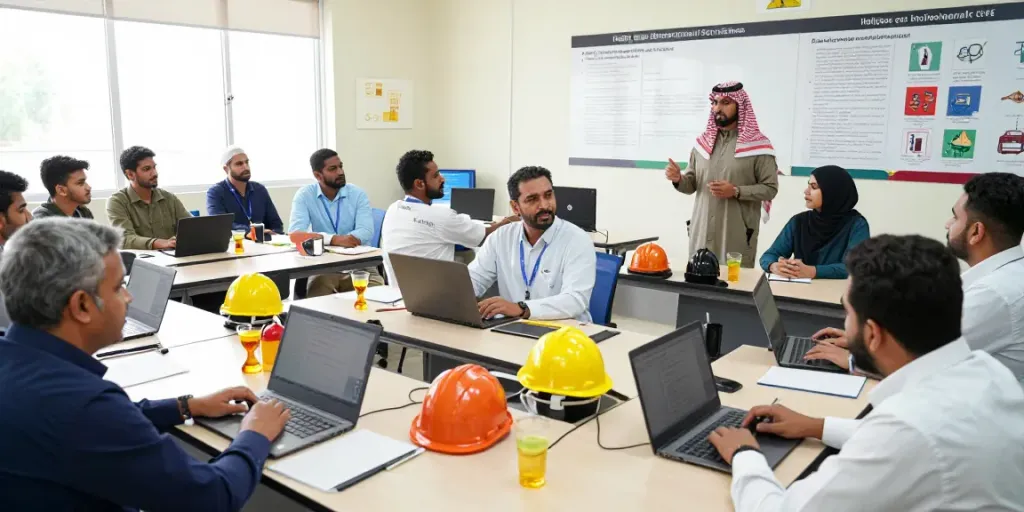
Understanding the Role of Training Institutes in Saudi Arabia
In today's competitive job market, the significance of professional development cannot be overstated, particularly in the realms of health, safety, and environmental (HSE) practices. For professionals in sectors like oil & gas, construction, and manufacturing, Training Institute Saudi Arabia serve as vital platforms that equip individuals with necessary skills and certifications. These institutes not only provide compliance training but also foster a culture of safety and sustainability within organizations.
What is a Training Institute?
A training institute can be defined as an educational establishment dedicated to teaching specific skills or knowledge. In Saudi Arabia, these institutes play a crucial role in bridging the gap between educational qualifications and practical expertise, particularly in specialized fields like health and safety. By offering programs that range from foundational courses to advanced diplomas and certifications, these institutions ensure that professionals meet both local and international standards.
Importance of Professional Development in Safety
Investing in professional development is essential for enhancing workplace safety. As industries evolve and regulatory requirements become more stringent, continuous education through accredited training programs helps employees stay informed about the latest safety protocols and best practices. This not only minimizes risks but also enhances overall productivity, fostering a safer working environment across sectors.
Types of Training Offered by HSE Institutes
HSE training institutes in Saudi Arabia offer a variety of courses tailored to meet the specific needs of various industries. Key training areas often include:
- Occupational Health and Safety
- Environmental Management
- Fire Safety and Emergency Response
- Behavior-Based Safety
- Hazardous Materials Management
Each of these categories encompasses a range of certifications, such as NVQ diplomas, ProQual awards, and ISO certifications, ensuring that employees are well-equipped to handle their responsibilities safely and effectively.
Key HSE Certifications Available in Saudi Arabia
Saudi Arabia has established itself as a hub for high-quality training certifications in HSE practices. The certifications offered not only enhance professional credibility but also reflect a commitment to workplace safety and environmental sustainability.
Overview of NFPA and ProQual Certifications
The National Fire Protection Association (NFPA) and ProQual are two of the most recognized certification bodies in the realm of health, safety, and environmental management. NFPA certifications, for instance, emphasize fire prevention and safety protocols, crucial for industries prone to fire hazards. Meanwhile, ProQual certifications provide a framework for assessing competence in various facets of occupational health and safety, addressing both theoretical knowledge and practical application.
Importance of ISO Certifications for Businesses
ISO certifications, such as ISO 9001:2015 for quality management and ISO 45001:2018 for occupational health and safety management systems, are critical for organizations aiming to ensure consistent quality and safety. Achieving ISO certification not only enhances an organization’s marketability but also demonstrates a commitment to maintaining globally recognized standards in safety and quality management.
Skills Acquired Through HSE Training Programs
Participants in HSE training programs can expect to acquire a range of essential skills, including:
- Risk assessment and management
- Emergency preparedness and response
- Effective communication and teamwork in safety contexts
- Understanding regulatory frameworks and compliance standards
These skills are invaluable for personal career development as well as for enhancing organizational safety culture.
How to Choose the Right Training Institute in Saudi Arabia
Selecting the right training institute is crucial to ensure that professionals receive the best possible education tailored to their industry's specific needs. With numerous institutes available, making an informed decision can be challenging.
Evaluating Accreditation and Partnerships
When considering training institutes, the first aspect to evaluate is their accreditation status. Accredited institutes have met specific educational standards and are recognized by relevant authorities. Additionally, partnerships with internationally recognized organizations, such as NFPA or ProQual, can be indicative of high-quality training experiences.
Factors to Consider: Location, Flexibility, and Cost
Location is an essential factor, especially for on-site training programs. Flexibility regarding scheduling and course delivery formats—whether online, in-person, or hybrid—can make a significant difference for busy professionals. Furthermore, it is crucial to compare costs to ensure the training offered aligns with your budget while still meeting quality expectations.
Reading Reviews and Testimonials from Previous Students
Reviews and testimonials are invaluable resources when researching training institutes. Feedback from alumni can provide insights into course effectiveness, instructor quality, and overall training experience, helping prospective students make informed choices.
Implementing HSE Training in Your Organization
Once a training institute is selected, organizing and implementing HSE training within an organization is the next step. This process requires careful planning and customization to meet organizational needs effectively.
Customizing HSE Training for Different Industries
Different industries have unique challenges concerning health and safety. Therefore, customizing training materials to reflect specific operational hazards and regulatory concerns is paramount. By doing so, organizations can ensure that employees are prepared to address the particular risks associated with their work environments.
Scheduling On-Site Training for Employee Convenience
On-site training can be especially beneficial, as it allows employees to learn in their immediate working environment. Scheduling these sessions during regular shifts or downtime can enhance attendance and engagement, making for a more effective training experience.
Monitoring and Measuring Success Post-Training
After training implementation, it's critical to monitor the effectiveness of the training programs. This can involve assessing employee performance, conducting follow-up surveys, and reviewing incident reports to measure improvements in safety and health outcomes.
Future Trends in HSE Training for 2026 and Beyond
As we look ahead to 2026, several trends are emerging that will shape the landscape of HSE training in Saudi Arabia and beyond.
Emerging Technologies in Training Delivery
Technological advancements are revolutionizing how HSE training is delivered. Virtual reality (VR) and augmented reality (AR) are becoming increasingly popular, allowing trainees to engage in simulated environments that can replicate real-life scenarios. This immersive training approach enhances learning retention and prepares employees for actual workplace challenges.
Growing Importance of Remote Learning Platforms
With the rise of remote work and online learning, training institutes are adapting their offerings to include more digital solutions. Flexible online courses and webinars are expected to increase in popularity, providing greater accessibility to quality education for professionals across the Kingdom.
Impact of Global Standards on Local Practices
The alignment of local training programs with global standards, such as OSHA and ISO, will continue to evolve. Keeping abreast of changes in international regulations will ensure that training remains relevant and effective in safeguarding employee health and safety.
Frequently Asked Questions
What is the best training institute in Saudi Arabia?
The best training institute often depends on individual needs and industry requirements. It's essential to consider factors such as accreditation, course offerings, and industry reputation.
How do HSE certifications affect job opportunities?
HSE certifications are pivotal in enhancing job prospects, as they demonstrate to employers a commitment to safety and the ability to adhere to regulatory frameworks.
What are the costs associated with HSE training?
Costs can vary widely based on the type of training, duration, and institution. It's advisable to compare various options to find training that fits both your budget and needs.
Are online HSE courses recognized in Saudi Arabia?
Yes, many online HSE courses are recognized in Saudi Arabia, provided they are offered by accredited institutions. Always verify the accreditation status before enrolling.
What trends should we expect in HSE training in 2026?
Future trends may include more integration of technology in training delivery, a focus on remote learning, and a continued emphasis on aligning with global safety standards.