Understanding Virtual Stroke Care
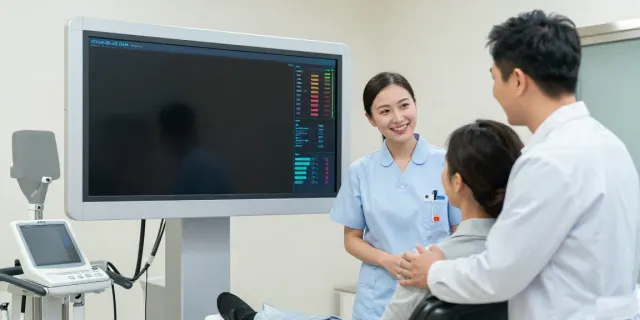
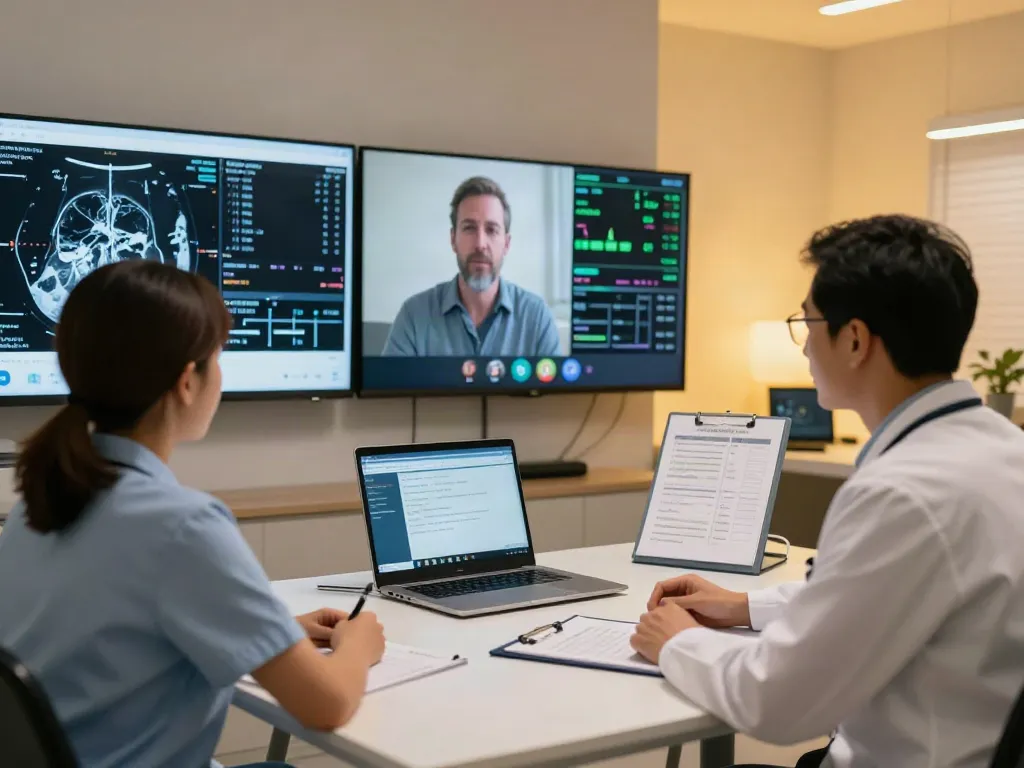
As healthcare continues to evolve, the advent of telemedicine has significantly transformed the landscape of stroke care. Virtual stroke care, also known as telestroke medicine, utilizes advanced technology to provide timely medical assistance and expert consultations for stroke patients, often in real-time. This innovative approach not only enhances the speed of treatment but also significantly improves patient outcomes. When exploring options, virtual stroke care provides comprehensive insights into how this model is bridging critical gaps in traditional healthcare practices.
What is Virtual Stroke Care?
Virtual stroke care refers to a system of delivering stroke treatment and consultations remotely through telehealth technologies. This service connects patients with neurologists who specialize in stroke management, allowing for immediate assessment and management without the need for physical presence. Key components of virtual stroke care include video conferencing, electronic patient records, and mobile applications that facilitate comprehensive care.
Importance of Timely Stroke Detection
Timely detection and treatment of strokes are crucial for minimizing long-term disabilities and improving survival rates. Strokes can develop rapidly, and every minute lost can lead to irreversible damage. Virtual stroke care allows for quick triage and assessment, ensuring that patients receive the necessary treatment as soon as possible. This prompt response can significantly affect recovery outcomes and overall quality of life.
How Telemedicine is Revolutionizing Stroke Treatment
Telemedicine is redefining stroke treatment by breaking geographical barriers. Patients in remote or underserved areas can now access specialized care that was previously unavailable. This approach not only facilitates immediate medical interventions but also supports ongoing management and rehabilitation through virtual follow-ups.
Key Components of Virtual Stroke Care
Telehealth Technologies Used in Stroke Care
Several telehealth technologies have emerged as essential tools in virtual stroke care. These include secure video conferencing systems, remote monitoring devices, and mobile applications that allow patients to manage their health data effectively. The integration of AI and machine learning in stroke care technologies is also gaining traction, enabling quicker diagnosis and better resource allocation.
Remote Monitoring and Patient Assessment
Remote monitoring mechanisms play a vital role in virtual stroke care. These systems enable continuous tracking of patients' neurological status, allowing healthcare providers to make informed decisions based on real-time data. Additionally, remote assessments help in understanding the effectiveness of treatments and adjustments required in patient care plans.
Collaboration Between Healthcare Providers
Effective virtual stroke care relies on seamless collaboration among various healthcare providers. This multi-disciplinary approach ensures that neurologists, emergency medicine practitioners, and rehabilitation specialists work together to create comprehensive care strategies tailored to individual patients. Enhanced communication facilitates better patient outcomes and satisfaction.
Benefits of Implementing Virtual Stroke Care
Increased Access to Neurological Specialists
One of the primary benefits of virtual stroke care is the increased access to neurological specialists. Patients can consult with leading experts regardless of their location, allowing for a more equitable distribution of healthcare resources. This democratization of care improves outcomes, especially for those living in rural areas.
Reduction in Patient Travel Times
Traveling to healthcare facilities can be a significant barrier for many patients, particularly those experiencing acute health crises. Virtual stroke care reduces the need for travel, enabling patients to receive immediate care from the comfort of their homes. This not only saves time but also alleviates the physical strain associated with traveling for medical care.
Enhanced Patient Outcomes and Satisfaction
Research indicates that patients receiving care through virtual channels report higher satisfaction rates. The ability to have timely consultations with specialists results in better clinical outcomes and a more coordinated care experience. Virtual stroke care systems streamline communication, enabling quicker adjustments to treatment plans based on patient responses.
Challenges and Considerations
Technical Barriers to Effective Telemedicine
Despite the benefits, several technical challenges can hinder the full implementation of virtual stroke care. Issues such as unreliable internet access, inadequate technological infrastructure, and varying levels of digital literacy among patients and providers can pose significant barriers. Addressing these challenges is crucial for the widespread adoption of telestroke solutions.
Patient Privacy and Data Security Issues
Data privacy and security are paramount concerns in telemedicine. With sensitive patient health information being transmitted online, healthcare providers must ensure compliance with regulations such as HIPAA. Implementing robust cybersecurity measures is essential to protect patient data and maintain trust in virtual healthcare systems.
Training Healthcare Professionals for Virtual Care
The shift towards virtual care necessitates comprehensive training programs aimed at equipping healthcare professionals with the skills needed for telemedicine. Training should cover technical skills, communication strategies, and the nuances of virtual patient assessments. Such professional development is vital for maximizing the effectiveness of virtual stroke care.
The Future of Virtual Stroke Care
Emerging Technologies and Innovations in Stroke Care
Innovation continues to drive the evolution of virtual stroke care. Emerging technologies, such as augmented reality (AR) and virtual reality (VR), hold promise for enhancing patient experiences and outcomes. These technologies can be used for simulations during training or supportive rehabilitation exercises for stroke survivors.
Potential Impact of AI on Telemedicine
Artificial intelligence is expected to play a transformative role in telemedicine, particularly in stroke care. AI algorithms can assist in the diagnosis and treatment planning processes, processing vast amounts of data to identify patterns and outcomes that may not be immediately apparent to human providers. This integration of AI will enhance decision-making and optimize patient care strategies.
Predictions for Stroke Management in 2026 and Beyond
The future of stroke management is poised for further advancements, with predictions suggesting a more integrated approach to care. Personalization and predictive analytics will likely become central to how providers offer care, tailoring interventions based on individual patient data. Additionally, we may see improved interoperability among telehealth platforms, ensuring seamless communication across various healthcare systems.
What is the role of AI in virtual stroke care?
AI can significantly enhance the efficiency and accuracy of stroke diagnosis by analyzing patient data quickly and identifying the most pertinent information for treatment decisions. This capability allows for rapid triaging, helping clinicians determine the best course of action based on real-time insights.
How can patients prepare for a virtual stroke consultation?
Patients can prepare for virtual stroke consultations by ensuring they have the necessary technology, such as a reliable internet connection and a device with video capabilities. Keeping a record of their symptoms, medical history, and any medications they are currently taking will also facilitate a more productive consultation.
What are the key signs of a stroke to recognize?
It is essential to recognize the key signs of a stroke, which include sudden numbness or weakness, difficulty speaking, and a severe headache. Remembering the acronym FAST (Face drooping, Arm weakness, Speech difficulties, and Time to call emergency services) can help in identifying strokes quickly and seeking timely care.
How effective is virtual care compared to in-person visits?
Studies show that virtual stroke care can be just as effective as in-person visits. With the right technology and protocols in place, remote consultations can provide timely diagnoses and management plans that lead to positive outcomes for patients.
What future trends should we expect in stroke care?
The integration of more sophisticated technologies and increased collaboration among healthcare providers are expected to be critical trends in stroke care. As telehealth continues to advance, it is likely to become a standard component of patient management, paving the way for better accessibility and care quality.