Understanding the Science Behind Age Perception
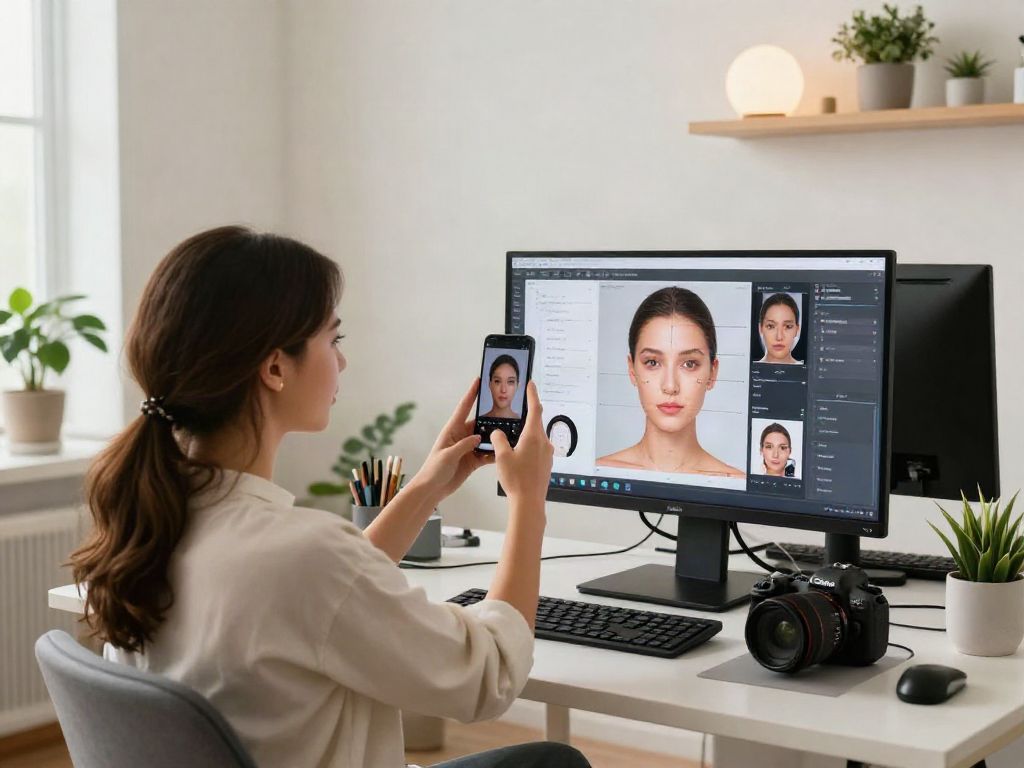
Facial aging is a complex interplay of biological, environmental, and psychological factors that shape how we perceive age in ourselves and others. Many people find themselves curious about the question, how old do I look? With advancements in technology, particularly in AI, we can now explore this question more scientifically than ever before. Various apps and tools allow users to upload their photos and receive an estimate of their perceived age, drawing from extensive databases and algorithms trained on human facial features and aging patterns. When exploring options, how old do I look provides comprehensive insights through its user-friendly interface.
What Influences Our Perceived Age?
Perceived age is influenced by a multitude of factors, including skin condition, facial structure, and even emotional expressions. For instance:
- Skin Health: Conditions like acne scars, age spots, and wrinkles can make a person appear older than their actual age.
- Facial Features: Some facial structures, such as a strong jawline or high cheekbones, are often associated with youth.
- Emotional Expressions: Smile lines and expressions of happiness can contribute to a more youthful appearance.
The Role of Technology in Age Estimation
Today, technology plays a pivotal role in estimating how old someone looks. AI algorithms analyze various facial features and utilize databases populated by images of different ages to generate age estimates. These tools rely on machine learning to improve accuracy over time, making them more dependable. However, the user experience varies across platforms, and understanding these differences can help you choose the best option available.
Common Misconceptions About Facial Aging
Many people hold misconceptions about how aging happens. For instance, some believe that aging is solely determined by genetics, while environmental factors like sun exposure and lifestyle choices significantly contribute to our perceived age. Additionally, emotional well-being and mental health can also manifest physically, impacting how youthful or aged an individual appears.
How AI Technology Determines Your Age
Mechanisms of AI in Facial Recognition
AI technology leverages intricate algorithms designed to identify and evaluate facial features. By analyzing characteristics such as skin texture, color, and the presence of wrinkles, AI can predict biological age with surprising accuracy. This process typically involves training models on vast datasets, allowing them to recognize patterns associated with different age groups.
Data Privacy in Age Estimation Apps
As with any application that requires personal data, privacy is a significant concern. Reputable age estimation tools emphasize user privacy, often utilizing secure servers and anonymizing uploaded data. However, users should remain vigilant and choose platforms that clearly outline their data use policies.
Top AI Tools for Estimating Age
There are several notable AI tools currently leading the market in terms of age estimation accuracy. Here are a few worth mentioning:
- FaceAge.ai: Known for its user-friendly interface and quick processing time, this application provides a reliable estimate and emphasizes privacy.
- Fotor: This age-guesser tool not only estimates age but also analyzes skin quality to offer insights into skincare needs.
- Face Age Calculator by Photo: This free tool allows users to upload images or perform live scans for instant results.
Engaging with Friends: Making It a Fun Experience
Fun Activities to Try with Age Estimators
Using age estimation technology doesn't have to be a solitary activity. Hosting a casual gathering where friends can upload photos and share their results can lead to entertaining revelations and discussions. Adding a competitive edge, such as guessing which friend is older or younger based on their appearance, can make the experience even more enjoyable.
How to Host a "How Old Do I Look" Party
To organize a successful "How Old Do I Look" party:
- Gather a group of friends and ensure everyone has access to a device for photo uploading.
- Set a fun vibe with refreshments and music to keep the atmosphere light.
- Encourage everyone to share their results and engage in friendly banter about the findings.
Sharing Your Results Safely on Social Media
Sharing your age estimation results can spark interesting conversations online, but it's crucial to consider privacy settings. Encourage participants to only share what they are comfortable with, and avoid posting sensitive information. Platforms have varying privacy policies, so ensure you understand how your data may be used or viewed.
Real-Life Examples and Impact on Self-Perception
Case Studies: Popular Apps and Their Users
Many users report a range of reactions after utilizing age estimation tools. Some find empowerment in understanding their facial features, while others may feel self-conscious. Case studies of different applications often reveal that the technology can affect individual perceptions positively or negatively, depending on the user's mindset and context of use.
How Age Estimation Influences Self-Esteem
Self-perception is deeply tied to how we view ourselves in a social context. Age estimation apps can serve as double-edged swords, enhancing self-esteem for some while undermining it for others. Awareness of these factors can help users navigate their feelings regarding age estimation results.
Critiques and Discussions in the Community
The rise of age estimation technology has sparked discussions about its implications on societal standards of beauty and youth. Critics argue that these tools can foster harmful comparisons and unrealistic expectations, while proponents emphasize their role in promoting self-awareness and acceptance.
Looking Ahead: Trends in Age Estimation Technology
Future Developments in AI and User Experience
As we move further into 2026, the landscape of age estimation technology is likely to evolve significantly. Innovations in AI could lead to even more nuanced understanding of age, combining emotional recognition with facial analysis to provide a holistic assessment of how a person may look.
Potential Ethical Concerns for 2026 and Beyond
With the advancement of technology comes the responsibility to address ethical considerations, such as the risk of reinforcing ageism or unrealistic beauty standards. Developers must focus on creating responsible AI systems that respect users while providing accurate insights.
How to Stay Updated in the Evolving Landscape
Keeping abreast of the latest trends in age estimation requires engagement with technology forums, scientific publications, and social discussions. Following influential voices in the AI and beauty industries can also provide valuable insights into future developments.
What is the best AI app to estimate my age?
Choosing the best app depends on individual preferences, such as user interface, features, and reliability of results. Researching different options before settling on one can yield the best experiences.
Can these apps accurately reflect my real age?
While age estimation apps can provide a fun insight into how old you may appear, they are not foolproof. Results can vary based on image quality and algorithmic biases.
Are age estimation results reliable?
Generally, results are reliable within a certain margin of error, but users should remember that many variables influence perceived age, and results should be treated as entertaining rather than definitive.
How do I upload a photo for age estimation?
Most age estimation applications have straightforward interfaces. Typically, users click on an upload button, select a photo, and receive an analysis within seconds.
Are there privacy risks involved in using these apps?
Yes, there are potential privacy risks. Users should ensure they are using reputable applications that prioritize data protection and clarify their policies regarding data use and sharing.