Understanding the Test of Attractiveness
In today's visually driven society, the quest for evaluating personal attractiveness has gained remarkable traction. One notable method for self-evaluation is the test of attractiveness. These tests harness advanced technology and artificial intelligence to provide users with insights into their facial features and overall appeal. This comprehensive exploration delves into the intricacies of attractiveness assessments, revealing their functionality, limitations, and cultural implications.
What is a Test of Attractiveness?
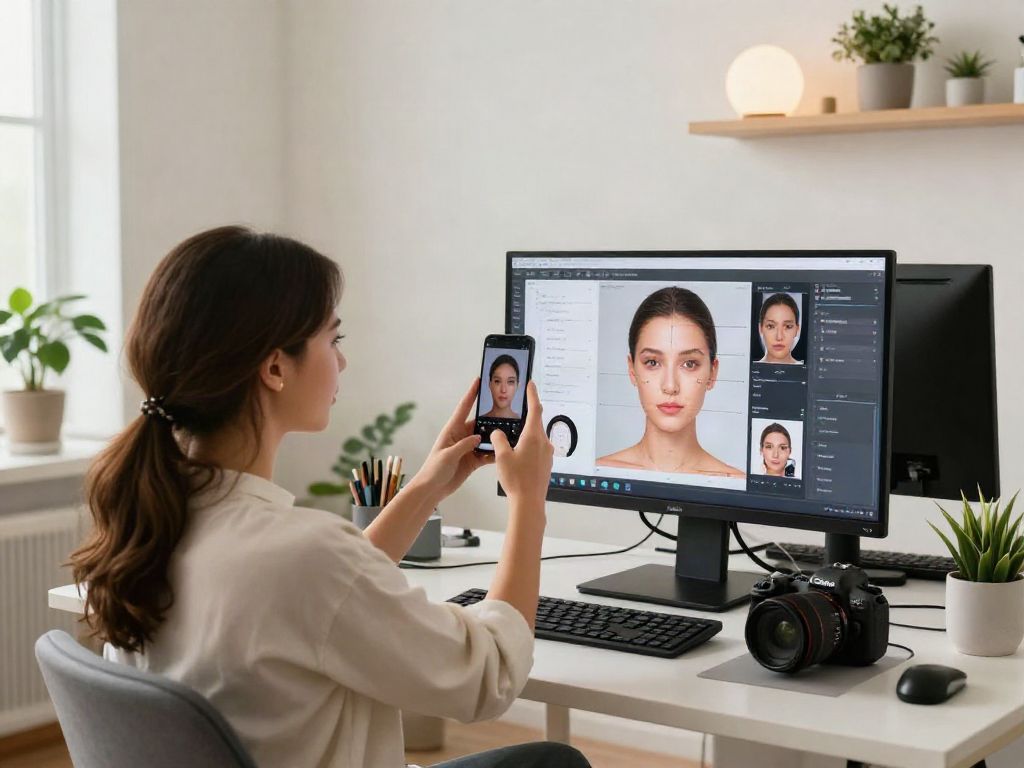
A test of attractiveness is a digital tool that analyzes facial features using algorithms to provide a score or assessment of a person's attractiveness. By examining various metrics such as facial symmetry, proportions, and the golden ratio, these tests offer a quantitative evaluation of beauty. Typically, users upload a photograph, and the tool employs advanced facial recognition software to assess various elements, ultimately generating a score that reflects current beauty standards.
Key Features of Attractiveness Scoring
- Facial Symmetry: One of the critical parameters evaluated, as symmetrical faces are often perceived as more attractive.
- Facial Proportions: Ratios and measurements of features in relation to one another help in determining overall balance.
- Golden Ratio: This classic mathematical ratio is used to evaluate how closely a person's features align with this ideal standard.
- Canthal Tilt: The angle at which the eyes sit can significantly influence attractiveness ratings.
How Technology Enhances Attractiveness Tests
With advancements in artificial intelligence and machine learning, modern attractiveness tests have become increasingly sophisticated. These tools now utilize deep learning algorithms that can recognize and assess a greater variety of facial landmarks than ever before. As a result, users receive more accurate and reliable feedback. Furthermore, the integration of big data allows for broader comparisons across different demographics, enhancing the contextual understanding of beauty standards.
Common Misconceptions and Challenges
Debunking Myths About Attractiveness
Despite their increasing popularity, many misconceptions surround attractiveness tests. A prevalent myth is that these tests render a definitive judgment about a person's worth based on their appearance. In reality, attractiveness scores are merely a reflection of subjective beauty standards and should not be viewed as absolute measures of one's value or capability.
Understanding Cultural Influences on Beauty Standards
Beauty standards are not universal; they vary significantly across cultures and can shift over time. For instance, what is considered attractive in one culture may be perceived differently in another. Understanding these nuances is essential when interpreting the results from a test of attractiveness. It underscores the importance of viewing beauty through a cultural lens, acknowledging that attractiveness is often tied to societal norms and expectations.
Challenges Users Face When Taking Attractiveness Tests
Many users experience challenges when utilizing attractiveness tests, ranging from technical difficulties in photo uploading to feelings of insecurity about their scores. These tests can trigger emotional responses, especially if users receive lower-than-expected ratings. Therefore, it is crucial for users to approach these assessments with a balanced mindset, understanding that beauty is multifaceted and subjective.
Getting Started with Your Attractiveness Test
Preparing Your Photo for Analysis
To get the most accurate results from your attractiveness test, it is essential to prepare your photo correctly. Follow these tips:
- Ensure good lighting so that facial features are clearly visible.
- Avoid heavy makeup or filters that may alter your natural appearance.
- Choose a frontal image where your face is unobstructed and well-framed.
Understanding the Scoring Metrics
Each attractiveness test employs its unique scoring system. Familiarizing yourself with the metrics can aid in interpreting your results effectively. Generally, scores range from 1 to 10 or utilize percentages to reflect attractiveness levels. Higher scores indicate closer alignment with popular beauty standards, while lower scores suggest a need for improvement or simply reflect different personal standards of beauty.
Interpreting Your Results Effectively
Once you receive your score, consider it within a broader context. Instead of focusing solely on the number, reflect on the attributes highlighted in the feedback. Many tests offer detailed breakdowns of specific features that contributed to the score, providing actionable insights for improvement.
Best Practices for Improving Attractiveness Scores
Strategies for Enhancing Facial Symmetry
Facial symmetry plays a crucial role in perceived attractiveness. Here are some strategies to enhance symmetry:
- Consider facial exercises that may help strengthen and balance facial muscles.
- Maintain a healthy diet to reduce puffiness and promote clear skin.
- Explore cosmetic options, if appropriate, to achieve a more symmetrical appearance.
Utilizing Skincare for Optimal Results
Good skincare practices can significantly enhance your facial appearance. Incorporate a skincare routine that includes:
- Daily cleansing to remove impurities.
- Moisturizing to keep skin hydrated and plump.
- Sun protection to prevent premature aging and skin damage.
Fashion and Presentation Tips to Boost Attractiveness
Your fashion choices and overall presentation can influence how attractive you appear. Consider these tips:
- Wear colors that complement your skin tone.
- Choose clothing styles that enhance your body shape.
- Invest in good grooming, including haircuts and personal hygiene.
Future Trends in Attractiveness Testing
Emerging Technologies in Beauty Assessment
As technology continues to evolve, so too will attractiveness testing. Future advancements may include virtual reality assessments that offer immersive evaluations or more sophisticated algorithms that analyze expressions and emotional cues. Such innovations will likely enhance the accuracy and user experience of attractiveness tests.
Personalized Attractiveness Solutions in 2026
By 2026, we can anticipate a trend toward personalized beauty solutions that cater to individual preferences and cultural backgrounds. Innovations in AI will allow for tailored recommendations based on the user’s unique features and scores, fostering a more inclusive approach to beauty.
Predictions for Evolving Beauty Standards
Beauty standards are expected to continue their evolution as society increasingly values diversity and individuality. Emphasis will likely shift towards embracing unique features and promoting self-confidence, suggesting that attractiveness tests will need to adapt accordingly.
What is the Test of Attractiveness?
In summary, the test of attractiveness is a tool designed to provide users with an evaluation of their facial features concerning current beauty standards. It serves as both a reflection and a learning opportunity for individuals seeking to understand and improve their attractiveness.
How Accurate are Attractiveness Tests?
While attractiveness tests offer insights based on algorithmic analysis, their accuracy can vary depending on the technology used and individual differences in perception. Thus, while they can provide useful feedback, they should be viewed as one of many tools for self-assessment.
Can Attractiveness be Improved Over Time?
Yes, attractiveness can certainly be improved through various methods such as skincare, fashion choices, and even cosmetic procedures. Additionally, enhancing one’s confidence and self-awareness can significantly affect how others perceive attractiveness.
Are Attractiveness Tests Reliable?
Attractiveness tests can be reliable to a certain extent, particularly when based on sound scientific principles. However, users should approach results with caution, as they are subject to cultural interpretations and individual experiences of beauty.
What Factors Influence Attractiveness Scores?
Several factors influence attractiveness scores, including facial symmetry, skin quality, individual features, and the prevalent beauty standards of society. Understanding these elements can help individuals gain a comprehensive view of their scores and areas for improvement.