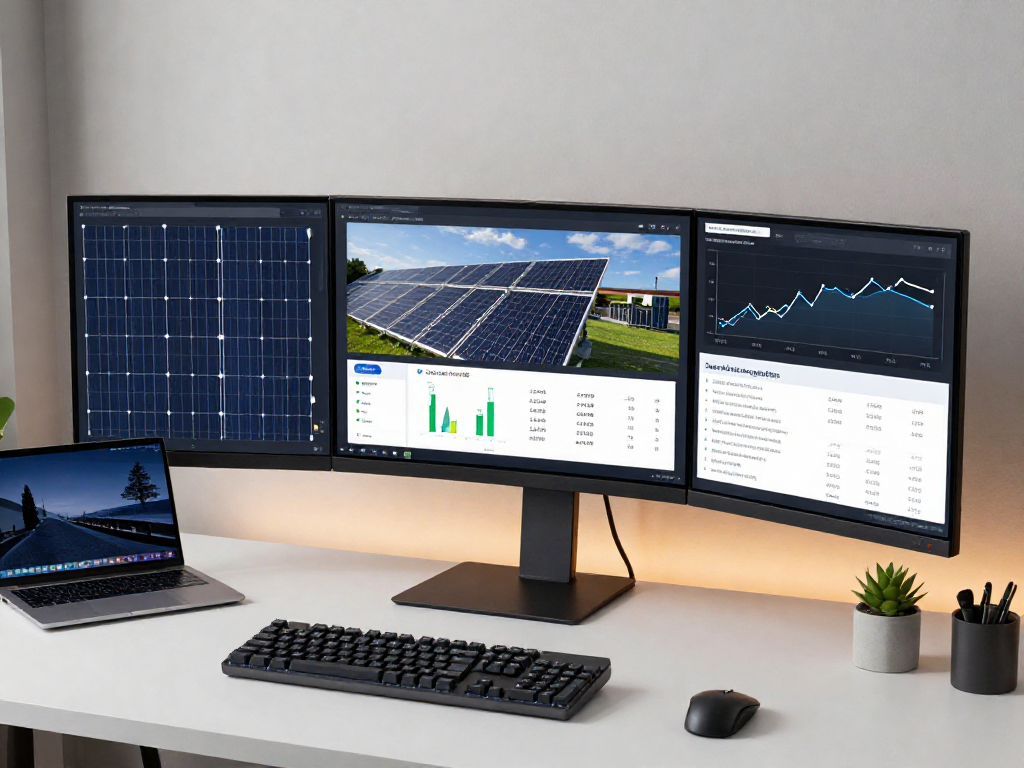
Understanding Solar Value in Illinois
As electric rates continue to rise in Illinois, many homeowners are evaluating whether solar energy installation is a financially viable choice. In 2026, the state sees significant changes affecting the economics of solar, particularly as federal incentives evolve and state-specific programs come into play. Homeowners must assess not just the immediate costs but also the long-term financial implications, factoring in savings from energy generation against ongoing utility rate increases. When exploring options, average cost of solar panels in illinois 2026 provides comprehensive insights into making informed decisions.
The Economics of Solar Energy
Understanding the economic benefits of solar energy requires a deep dive into both installation costs and energy savings. The average cost of solar panels has dropped significantly over the past decade, making it an increasingly attractive investment for homeowners. In 2026, the price is expected to reflect advancements in technology and increased competition among providers. Typically, homeowners can expect to recover their investment within 6 to 9 years through energy savings alone, depending on their individual energy consumption and available incentives.
Current Trends in Electricity Pricing
The dynamics of electricity pricing in Illinois present a strong case for solar adoption. Data shows that electric supply prices have risen nearly 50% over the last two years, driven by record auction prices and elevated grid capacity costs. As of July 2026, ComEd's Price to Compare is around 10.399¢/kWh, while Ameren's summer rate sits at approximately 11.326¢/kWh. These significant increases project that electricity bills will continue to climb, making solar energy a compelling option for cost savings.
Long-term Financial Benefits of Solar Installation
Investing in solar not only benefits homeowners financially in the short term but also serves as a hedge against future energy price volatility. As electricity prices continue to soar, locking in low, consistent energy costs through solar can result in substantial savings over 25 years or more. Moreover, solar systems can increase property value due to their attractiveness to future buyers who may value lower energy costs. Additionally, factors such as Renewable Energy Credits (RECs) in Illinois can further enhance the cost-effectiveness of solar installations.
Incentives and Programs for Solar Homeowners
Illinois residents are fortunate to benefit from a variety of solar incentives designed to reduce the financial burden of installation and encourage renewable energy adoption. The state is home to several programs, including the Illinois Shines program which supports solar development through financial incentives and credits.
The Illinois Shines Program Overview
The Illinois Shines program provides significant financial support to new solar installations through Renewable Energy Credits. Homeowners who install panels are eligible for RECs that can be sold to utility companies, creating a revenue stream that can help offset installation costs. This program is particularly beneficial for homeowners within ComEd and Ameren territories.
Federal Tax Credits and Their Expiration
The federal tax credit for solar, known as Section 25D, expired on December 31, 2025. Prior to its expiration, it offered up to a 26% tax credit on qualified expenses. Homeowners who installed solar before this date could claim this benefit, significantly lowering their upfront costs. While this federal incentive is now unavailable, states like Illinois continue to provide valuable alternatives.
State-Specific Benefits for ComEd and Ameren Clients
For clients in the ComEd and Ameren service areas, state incentives remain robust. These include performance-based incentives that reward energy generation, as well as fixed rebates for smart inverters that can enhance a solar system's efficiency. This state structure encourages homeowners in these areas to pursue solar energy despite the expiration of federal incentives.
Cost Breakdown: What to Expect in 2026
Understanding the total cost of a solar installation is crucial for making an informed decision. This section delves into the average costs and the factors that contribute to them, as well as the potential long-term savings associated with solar energy.
Average Cost of Solar Panels
The average cost of solar panels can vary significantly based on system size, type, and installation requirements. In the first half of 2026, homeowners can expect to see average costs ranging from $2.50 to $3.50 per watt installed, depending on specifics such as location and energy needs. As solar technology advances, prices may shift; thus, it is vital to review local pricing trends and connect with reputable installers.
Installation Costs vs. Long-term Savings
Installation costs must be weighed against the potential for long-term savings. The 2026 Illinois residential solar market presents affordable installation opportunities that translate into significant savings on utility bills over time. For many homeowners, estimates suggest that savings could range from $10,000 to $40,000 over 25 years, depending on energy usage and the efficiency of the solar system.
Tipping Points for Homeowners: When Solar Makes Sense
Homeowners should consider several key factors that indicate whether solar would be a wise investment. High energy consumption, a south-facing roof, and access to state incentives are positive signs. Conversely, roofs with excessive shading or very low energy bills may suggest that solar is not currently worth the investment.
Evaluating Your Home’s Solar Suitability
Not every home is a perfect candidate for solar energy. Homeowners must evaluate their property and energy usage to determine whether solar makes sense for them.
Factors Influencing Solar Efficiency
Several elements influence the efficiency of a solar system. These include roof orientation, pitch, the angle of solar exposure, and overall household energy consumption patterns. Homes that receive the maximum amount of sunlight typically yield the highest potential energy savings.
Shading and Roof Orientation Considerations
Shading from trees, structures, or other obstacles can dramatically reduce solar panel efficiency. Homeowners should evaluate their properties for any potential shading and consider possible solutions, such as trimming trees or opting for solar technologies better suited to shaded environments.
Community Solar Options for Households
For those who cannot install solar on their rooftop, community solar presents an effective alternative. Through community solar programs, residents can buy shares in off-site solar installations and still benefit from solar energy without the need for on-site equipment.
Making Informed Decisions: Is Solar Right for You?
Deciding to adopt solar energy is significant, offering both environmental and financial benefits. This section outlines steps homeowners can take to evaluate their commitment to solar.
Steps to Evaluate Your Solar Potential
The first step is to assess your current energy consumption. By understanding how much energy you use, you can determine the size of the solar system required to meet your needs. Additionally, investigating state and local incentives is crucial to maximizing financial benefits.
Common Misconceptions about Solar Energy
Many potential solar users harbor misconceptions, such as the belief that solar energy is only viable in sunny climates or that solar panels are excessively expensive. In 2026, technological advancements have increased affordability, making solar accessible even in less sun-exposed areas.
Questions to Ask Before Commencing Your Solar Journey
Ask potential installers about warranties, grid tie-in processes, and their experiences with different technology types. Ensure you have a thorough understanding of all costs, including maintenance and potential battery backup systems.
FAQs about Solar Energy in Illinois
How much can I save with solar panels?
The savings from installing solar panels can vary widely, but many homeowners report saving thousands of dollars over the lifespan of their systems, especially when factoring in both energy savings and potential rebates.
What are the maintenance costs for solar installations?
Maintenance costs for solar installations are generally low. Most systems require periodic cleaning and occasional inspections to ensure optimal performance, which can usually be performed for a minimal annual cost.
Is solar energy reliable during outages?
Solar energy can be reliable during outages if paired with battery storage solutions. These systems allow homeowners to store excess energy produced during the day for use when the grid is down, offering both convenience and energy security.