Understanding AI-Generated Images
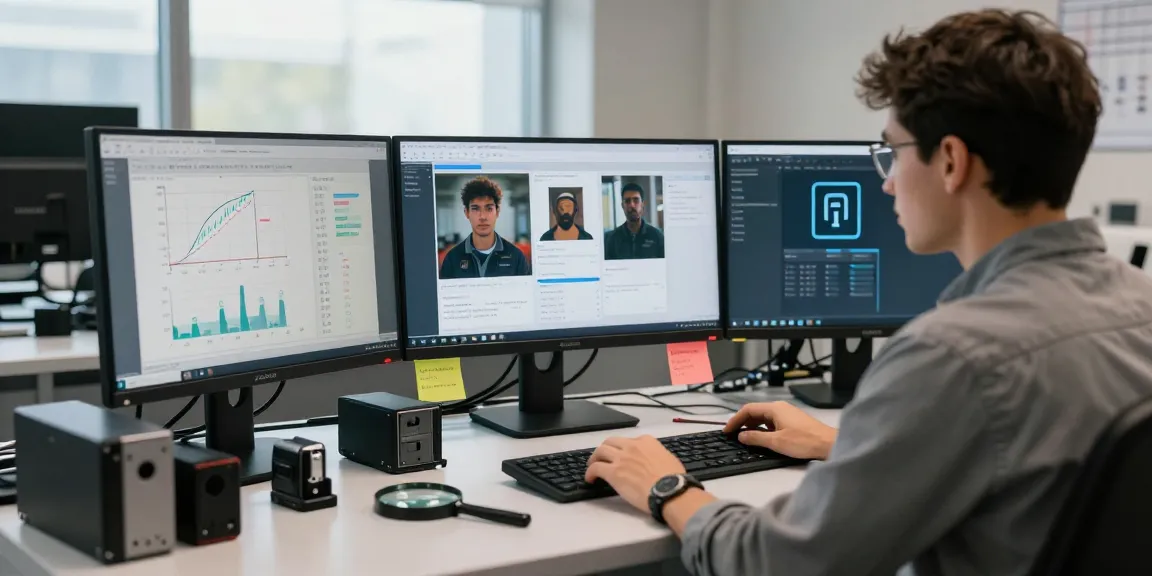
As we advance into an era dominated by artificial intelligence, the creation and use of AI-generated images are becoming increasingly commonplace. These images, produced by sophisticated algorithms, can replicate the nuances of human creativity while also presenting new challenges in authenticity and trust. The significance of AI-Generated Image Detection has surged in response to the rising prominence of these images, which can easily be mistaken for genuine photographs. This article delves into the nuances of AI-generated images, their applications, and the importance of effective detection methods.
What are AI-Generated Images?
AI-generated images are visuals created through algorithms utilizing machine learning models. These models are trained on vast datasets of human-made images, allowing them to learn patterns, styles, and contexts. Technologies such as Generative Adversarial Networks (GANs) or diffusion models enable the creation of images that can often deceive the naked eye. For instance, a GAN can generate a portrait of a person who doesn’t exist, making it challenging to distinguish between real and artificially created images.
Common Uses of AI-Generated Images in Everyday Life
AI-generated images are utilized in various sectors, enhancing creativity and efficiency. In marketing, companies employ AI-generated visuals to create unique advertising imagery without the need for photo shoots. In the entertainment industry, these images can be used for digital art and animations, offering creators new ways to visualize concepts. Furthermore, social media platforms often use AI to generate filters and augmented reality assets, demonstrating the pervasive influence of AI visual technology in our daily interactions.
Challenges Faced in AI-Generated Image Detection
Despite the benefits, detecting AI-generated images poses significant challenges. The evolution of these technologies allows for increasingly sophisticated manipulations, making it difficult for both humans and traditional detection tools to identify them. Issues such as deepfake technology—where AI alters existing images and videos—complicate matters further. In many cases, the subtlety of AI-generated images leads to a growing concern regarding misinformation and the authenticity of visual content.
Importance of AI-Generated Image Detection Technology
With the proliferation of AI-generated images, the importance of detection technology cannot be overstated. Effective detection methods are critical in maintaining trust and authenticity across various platforms, from news media to social networks. When exploring options, AI-Generated Image Detection tools offer comprehensive insights into verifying the authenticity of images and protecting against the dangers of synthetic media.
Why Detecting AI Images is Crucial Today?
The ability to accurately detect AI-generated images is essential for safeguarding personal and societal integrity. In a world where visual content can influence public opinion and shape beliefs, ensuring that imagery is genuine is paramount. Failure to detect misleading images can lead to severe consequences, including the spread of misinformation, erosion of trust in media, and reputational damage to individuals and organizations.
Key Industries Impacted by AI-Generated Image Detection
Numerous industries feel the impact of AI image detection, including:
- Media and Journalism: Maintaining credibility is vital, as AI-generated images can easily mislead audiences.
- Marketing: Brands need to ensure that the visuals used in campaigns are authentic to retain customer trust.
- Law Enforcement: Accurate detection can aid in investigations where manipulated images might serve as evidence.
- Healthcare: In medical imaging, authenticity can be critical for diagnosis and treatment.
Real-World Consequences of AI Misuse
The misuse of AI-generated images can have profound real-world consequences. For instance, the creation of fake news through manipulated images can incite panic, sow discord, or misinform the public. In extreme cases, such portrayals have influenced elections and public sentiment, demonstrating the powerful role that visuals play in shaping opinions. Moreover, the proliferation of deepfakes in sensitive contexts, such as personal reputations or corporate espionage, presents ethical challenges that necessitate robust detection technologies.
Techniques for Effective AI-Generated Image Detection
To effectively combat the challenges posed by AI-generated images, various techniques and tools have emerged. Understanding these methodologies is key to refining detection capabilities.
Tools and Software for Detection
A plethora of tools are available to help identify AI-generated content. These include:
- Sightengine: Offers automated detection of AI images, deepfakes, and manipulations.
- ZeroGPT: Analyzes images to determine if they were created by AI generators.
- WasItAI: Quickly assesses images to verify authenticity.
- DeepAI: A free tool that allows users to check the status of an image as AI-generated or authentic.
Best Practices for Ensuring Accuracy
To enhance the accuracy of AI image detection, consider implementing these best practices:
- Regular Updates: Keep detection algorithms updated to recognize new generation techniques.
- Multi-Factor Verification: Employ multiple detection tools and combine their results for more accurate assessments.
- Human Oversight: Incorporate human judgment alongside automated processes to catch nuances that machines may miss.
Identifying Signs of AI Manipulation in Images
There are several telltale signs that an image may have been manipulated or generated by AI:
- Inconsistent Lighting: Look for shadows and highlights that don't match the environment.
- Unnatural Textures: AI images may exhibit strange textures or overly smooth features.
- Odd Background Elements: Pay attention to backgrounds that may seem distorted or unrealistic.
Implementing AI-Generated Image Detection Solutions
For businesses and organizations, successfully implementing AI-generated image detection solutions is vital for upholding integrity and trust. Here’s a comprehensive guide on how to integrate these technologies effectively.
Step-by-Step Guide for Businesses and Organizations
Organizations should follow these steps when implementing detection solutions:
- Assess Needs: Identify the specific requirements for image detection based on industry demands.
- Select Tools: Choose appropriate AI detection tools based on their features and reliability.
- Train Staff: Ensure that relevant personnel are trained to use these tools effectively.
- Establish Protocols: Create clear protocols for image verification processes.
Integrating Detection Tools into Your Workflow
Integrating AI image detection into existing workflows requires careful planning:
- API Integrations: Use APIs to allow detection tools to work seamlessly with existing software.
- User-Friendly Interfaces: Ensure that the tools are easy to use and accessible to all relevant team members.
- Regular Training: Conduct ongoing training sessions to keep teams updated on the latest detection techniques.
Measuring Success and Effectiveness of Detection
To evaluate the effectiveness of detection efforts, organizations should:
- Track Detection Rates: Monitor how often the tools correctly identify AI-generated images.
- Gather Feedback: Collect user feedback on the detection process and tool usability.
- Benchmark Against Standards: Compare results with industry standards to assess performance.
Future Trends in AI-Generated Image Detection
As technology continues to evolve, so will the methods and tools used for AI-generated image detection. Here are some upcoming trends to watch in the next few years.
Emerging Technologies to Watch in 2026
By 2026, we can expect innovations in AI detection technologies, including:
- Improved Algorithms: More sophisticated algorithms will enhance detection accuracy and speed.
- Increased Use of Blockchain: Blockchain technology may be utilized to track image origins and verify authenticity.
- Real-Time Detection: Advancements will enable real-time analysis of images as they are uploaded or shared.
Predictions for AI Image Detection Advancement
Experts predict that AI image detection will become increasingly automated, with systems capable of learning from new data inputs:
- Self-Improving Models: Future detection tools may incorporate machine learning techniques to continuously improve their efficacy.
- Cross-Platform Solutions: Integration across various platforms will streamline detection processes, making them more accessible.
Preparing for Ethical Considerations in AI Detection
As we advance, ethical considerations surrounding the use of AI-generated image detection will become paramount:
- Privacy Concerns: The balance between detection and privacy rights must be maintained.
- Transparency: Organizations will need to be transparent about their detection processes and the limitations of their technologies.
- Accountability: Stakeholders must establish accountability protocols when AI-generated images are misused.
In conclusion, as the landscape of visual content continues to evolve, effective AI-generated image detection will be critical in safeguarding authenticity and trust. By understanding emerging technologies, implementing effective detection solutions, and addressing ethical considerations, we can navigate the complexities of this new digital world.